
Men and Abortion.
Framing abortion as a woman’s only issue is harmful for everyone.
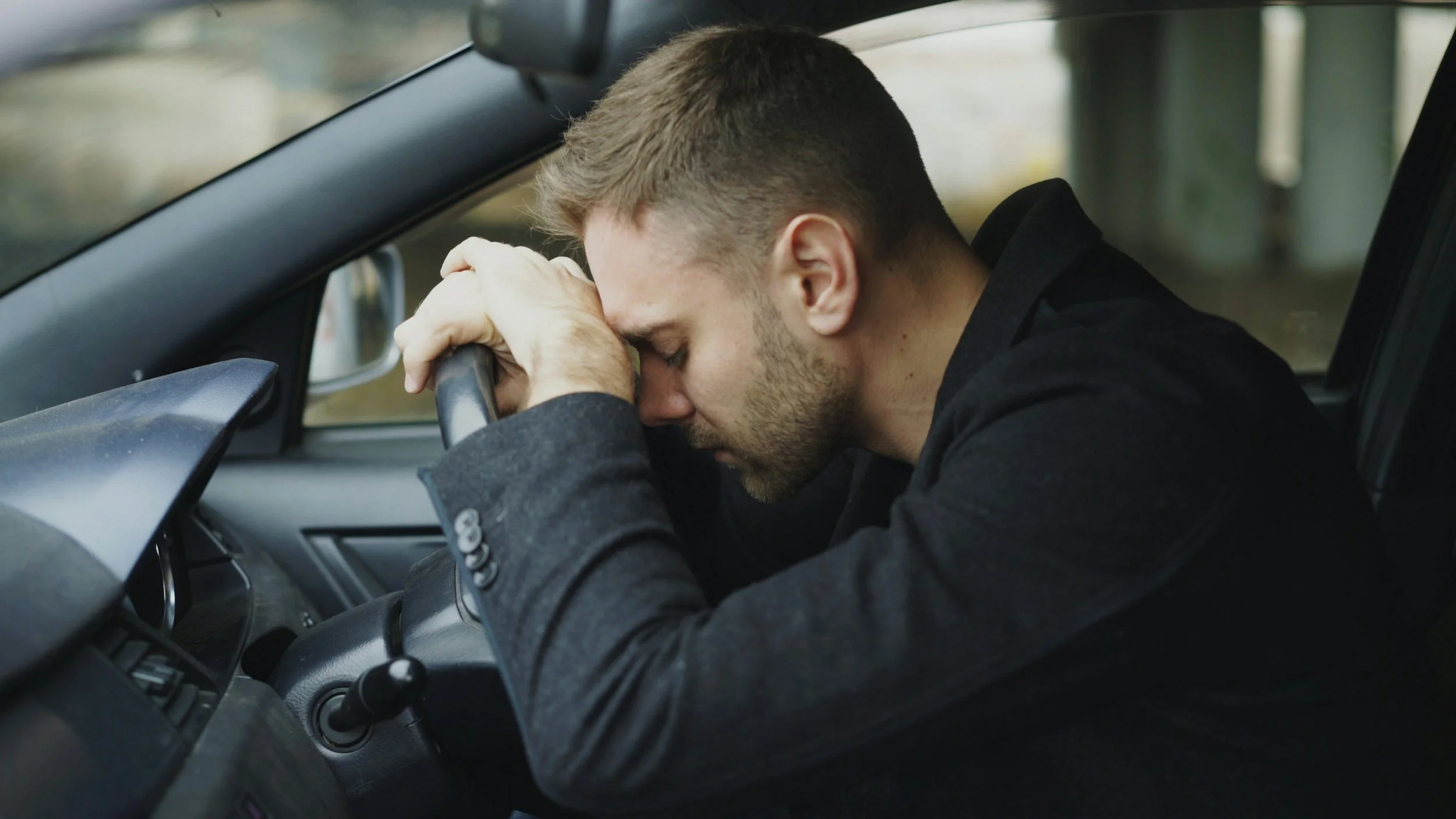
When men find out about a pregnancy, many naturally begin thinking about how they will protect, provide for, and care for their child. When a pregnancy ends in abortion, men may experience a range of emotions, including powerlessness, disappointment, resentment, grief, or guilt. These feelings can sometimes be difficult to recognize or talk about. In some cases, emotional distress may instead appear through unhealthy coping behaviors, such as substance use, social withdrawal, risk-taking, depression, or emotional detachment.
Men’s experiences following abortion can vary considerably depending on the circumstances surrounding the pregnancy and the role they played in the decision. Some fathers describe a sense of emptiness or loss and continue thinking about the child who might have been. They may imagine milestones they would have experienced, wonder what their child would have been like, or grieve the relationship they never had the opportunity to develop.
Although men do not experience the physical side effects of abortion, they may experience emotional side effects related to the loss of the pregnancy and their involvement in the decision. A man may have:
Encouraged or supported the woman in choosing abortion
Pressured her to have an abortion
Left her to make the decision alone
Opposed the abortion unsuccessfully
Learned about the abortion only after it occurred
Psychologist Dr. Vincent Rue, who has written extensively about men’s experiences following abortion, observed:
“Abortion rewrites the rules of masculinity. Whether or not the male was involved in the abortion decision, his inability to function in a socially prescribed manner leaves him wounded and confused.”
The Role of Men in Abortion
Viewing abortion only as a woman’s issue is unfair to everyone involved, including women, babies, and men. Men are also part of the conversation about abortion.
In Canada, Parliament passed the Criminal Law Amendment Act in 1969 under Prime Minister Pierre Elliott Trudeau, changing the circumstances under which abortion could legally be performed. In 1988, the Supreme Court of Canada struck down the abortion provisions of the Criminal Code in R. v. Morgentaler. Both decisions occurred within institutions that, at the time, were overwhelmingly male.
Abortion can also affect how men understand responsibility for pregnancy and parenthood. Some men may describe themselves as supporting a woman’s right to choose while also viewing abortion as a way to avoid responsibilities associated with an unintended pregnancy. Conversely, other men report feeling devastated and powerless when an abortion occurs despite their desire to continue the pregnancy.
Women may also experience pressure from partners, family members, or other people when making decisions about an unexpected pregnancy. One study published in the Journal of American Physicians and Surgeons reported that 58.3% of women surveyed said they had abortions in order to make others happy, 73.8% reported that their decisions were not entirely free from outside pressure, and 28.4% reported choosing abortion because they feared losing their partner.[1]
Abortion can also affect relationships. Rather than resolving existing relationship difficulties, the experience may introduce new sources of grief, disagreement, resentment, or mistrust. Research cited by the deVeber Institute has reported significant relationship changes following abortion, including increased conflict and decreased trust in some couples.[2]
Emotional Risks for Men
The 2021 National Men’s Abortion Study examined the experiences of men whose partners had undergone abortions. According to the study, 71% of participants reported experiencing an adverse change following the abortion.[3] Reported experiences included sadness, guilt, regret, anxiety, anger, depression, emptiness, substance use, and a sense of lost fatherhood. Some participants also described continuing to think about the child they might have had.[4]
One participant described his experience:
“The absolute worst thing I have ever done. Words can’t describe the pain and overwhelming guilt that are always with me.”
He reported continuing to experience these feelings 26 years later.
Another respondent said:
“I wonder what my child would have been like today. This really got bad after the birth of my only child. Major feelings of guilt and regret.”
Similar experiences have been reported by men seeking post-abortion support:
“Almost 10 years ago, I got my girlfriend pregnant. She didn’t want to keep it. Being a dad is what I always wanted. To this day, it haunts me to the core. I sank into a depression and lost who I was. I still have trouble being around babies. I still would like a family of my own, but I need to get around this first. Please, help me.”
— Male client
Another man recalled:
“My ex and I had an abortion last year. When she found out she was pregnant, she got upset, and I panicked and looked for abortion clinics. We started saying abortion as an option, but we didn’t talk about what we each wanted. I messed up bad. I wanted our child. I think she did too.”
— Male client
For men who experience grief, guilt, depression, or other forms of distress following an abortion, counselling and post-abortion support programs are available. These emotions can be difficult to acknowledge, particularly when men feel that they are not expected to grieve or discuss the experience. Men who continue to struggle after an abortion should be encouraged to seek appropriate emotional or professional support.
Abortion Risks for Women
Physical Risks[5]
Heavy bleeding
Infection
Scarring to the uterine lining, which can cause future pregnancies to miscarry
Injury or trauma to the uterus
Damage to the cervix/cervical lacerations, which can cause premature births for future pregnancies.
Hemorrhage
Abortion can severely impact emotional health.[6] Experiences can vary depending on the stage of pregnancy, religious and cultural beliefs. These risks include:
Sadness
Grief, which may include depression, anxiety, substance abuse, low self-esteem, and reliving the abortion through dreams or flashbacks.
Guilt
Depression
Emotional numbness
Flashbacks and nightmares
Alcohol and drug abuse
Suicidal thoughts or self-harm
The combined physical and emotional risks make women twice as likely to suffer harm following an abortion compared to men. It is strongly recommended that patients understand all available options before making an irreversible medical decision. Please contact us if you would like more information on pregnancy options and available support.
Thrive Women’s Clinic. “How Many Relationships Stay Together After an Abortion?” Thrive Women’s Clinic, March 10, 2026. How Many Relationships Stay Together After an Abortion?.
Life Culture. “For Men.” Life Culture. Accessed June 25, 2026. Life Culture Men Page.
Celopharma Inc. (2019). Mifegymiso [Drug information]. Health Canada. Retrieved March 18, 2025, from https://pdf.hres.ca/dpd_pm/00050659.PDF
https://my.clevelandclinic.org/health/treatments/21899-medical-abortion
Mota, N.P., Burnett M., & Sareen, J. (2010). Associations between abortion, mental disorders, and suicidal behaviour in a nationally representative sample. Canadian Journal of Psychiatry 55(4), 239-247.
Support After Abortion. Support After Abortion: Men’s Research White Paper. April 2023. PDF. Men’s Research White Paper.