
What is Plan B?
By Nathalia Comrie - June 24, 2026
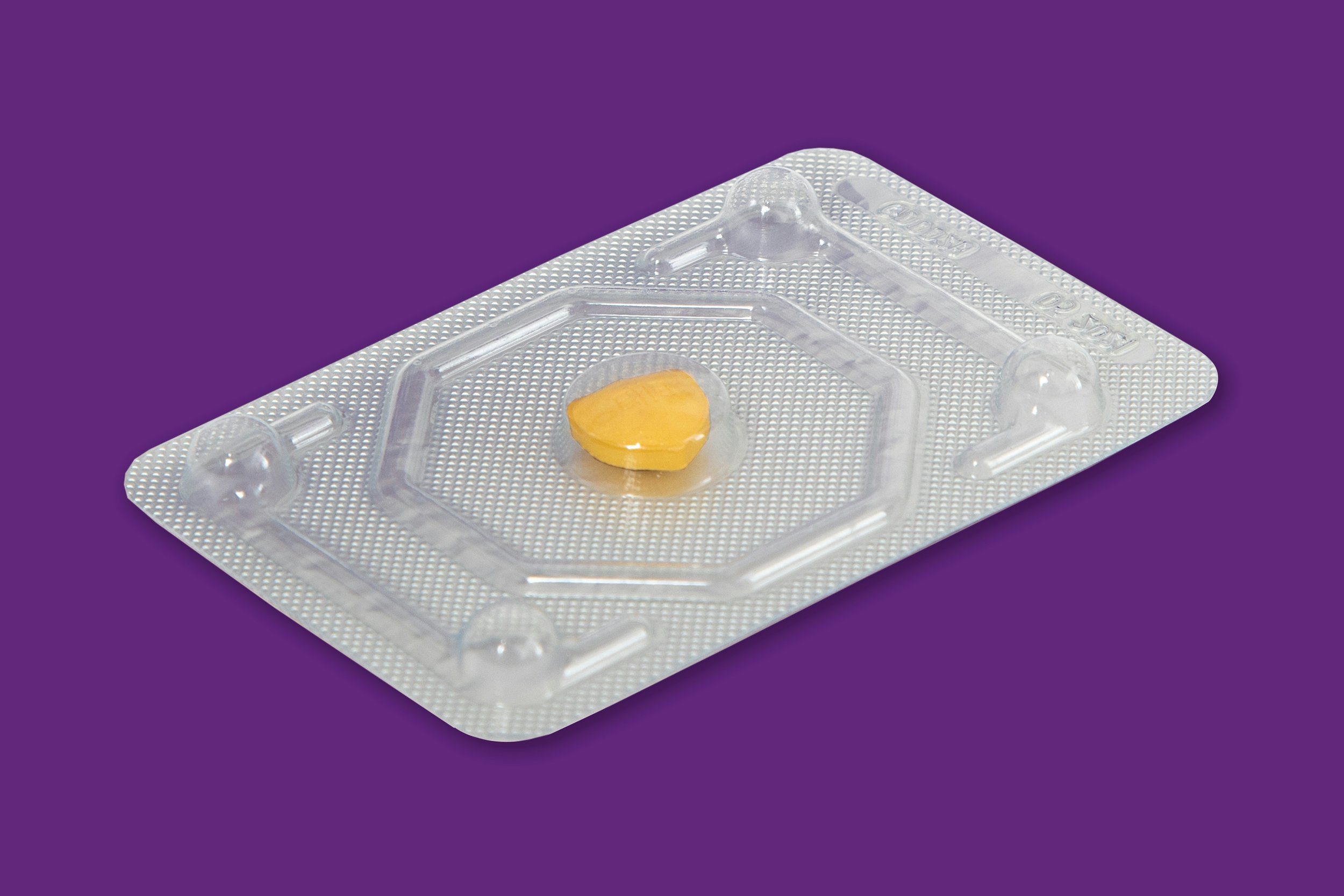
Plan B is an emergency contraceptive pill that is taken within 72 hours of unprotected sex to prevent pregnancy. It is a large dose of the synthetic hormone levonorgestrel, a progestin found in many forms of hormonal birth control. One dose of Plan B can contain over 50% of a month’s supply of levonorgestrel as found in most birth control pills. Plan B should not be taken on a regular basis and is not intended to be used as a primary method of birth control. If taken within the 72-hour time frame, Plan B can reduce the chance of pregnancy by up to 89%. [1]
How Does Plan B Work?
This is how Plan B functions in the body:
Suppressing Ovulation: The main goal of Plan B is to prevent pregnancy by suppressing ovulation. If the ovaries do not release an egg, fertilization cannot happen.[2] The high dose of levonorgestrel prevents the surge in luteinizing hormone (LH) that precedes and triggers ovulation. The brain interprets high progestin levels as a sign that ovulation has already happened. In response, the pituitary gland either fails to release the LH surge or releases it too late.[3]
When examining the chemical structure of levonorgestrel, while it is similar enough to progesterone for the body to recognize it as such, it is actually more closely related to testosterone than to natural progesterone.[4]
How Effective is Plan B?
Plan B is most effective if it is taken within 24 hours of having unprotected sex (95%). If taken within 48-72 hours of having unprotected sex, its effectiveness decreases to 61%. Plan B's ability to prevent pregnancy is highest when it is taken shortly after unprotected sex. [5] Plan B usually stays within the body for 5 days.[6] Weight is another factor that can influence Plan B’s effectiveness, as it is less effective in individuals with a higher BMI (>30). [7]It can also be affected by other medications, such as antiseizure medications, which can reduce its effectiveness. Plan B is less effective if it has expired, is stored at extremely hot or cold temperatures [8], or vomiting occurs within 2 hours of taking it.[9] Plan B is not meant to be used as a regular birth control method. Taking it repeatedly increases the overall chance of pregnancy compared to taking regular birth control.[10]
What are the Risks?
The side effects of Plan B and the use of Levonorgestrel can include:
Irregular menstrual bleeding
Fatigue
Nausea
Abdominal or pelvic pain
Bloating
Diarrhea
Vomiting
Headache
Dizziness
Migraine
Acne
Breast tenderness
Decreased libido
Back pain
Ovarian cysts
Pelvic inflammatory disease[11]
Depression & Anxiety: The hormone levonorgestrel in Plan B, used to stop or delay ovulation, can alter your brain chemistry, causing emotional side effects. The sudden spike of hormones can “temporarily affect the neurotransmitters in your brain that regulate mood. This can lead to irritability, tearfulness, or a flat feeling.”[12] The effects of these hormones can also cause anxiety.[13] Most often, as the medication leaves your body and your hormonal cycle resets, the depressive symptoms usually lessen or leave entirely within a few days or by the time your next period comes around. [14]
Vaginal infections: The hormonal changes from taking levonorgestrel can cause a hormonal imbalance in your body. This increases your risk of vaginal yeast overgrowth, especially if you have a history of yeast infections. This can lead to itching, inflammation, and burning. [15]
Breast cancer: There have been studies done by the National Cancer Institute and the American College of Obstetricians and Gynecologists that revealed correlations with exposure to synthetic hormones and an increased risk of some female cancers.[16] One Study found that the use of levonorgestrel in hormonal birth control is linked to an increased risk of breast cancer diagnosis compared to women not using birth control. [17]
Ectopic Pregnancy: If pregnancy occurs after Plan B, there is a chance it could be ectopic. Ectopic pregnancy is a potential risk of progestin-only contraception.[18] An ectopic pregnancy occurs when an embryo implants and grows outside of the uterus. This most commonly occurs when the embryo implants in the fallopian tube. The embryo may have also implanted in the abdominal cavity or the cervix. This can be dangerous if the embryo continues to grow.[19]
If you take Plan B regularly or multiple times, it will increase your hormone levels more than regular contraceptives and will cause the side effects above, along with menstrual cycle changes.[20]
For more information on alternative methods of birth control and fertility awareness, visit naturalwomanhood.org.
[1] Kristin Mitchell and Annie Stuart, “Levonorgestrel Emergency Contraception: Plan B,” WebMD, last reviewed February 20, 2025, https://www.webmd.com/sex/birth-control/plan-b.
[2] Mitchell and Stuart, “Levonorgestrel Emergency Contraception.”
[3] Anne Marie Williams, “Can Plan B Cause an Abortion?” Natural Womanhood, September 9, 2022, https://naturalwomanhood.org/can-plan-b-cause-abortion/.
[4] Lara Briden, “The Crucial Difference Between Progesterone and Progestins,” Lara Briden: The Period Revolutionary, July 2, 2024, https://www.larabriden.com/the-crucial-difference-between-progesterone-and-progestins/
[5] Health Canada, Product Monograph, PDF document, https://pdf.hres.ca/dpd_pm/00077766.PDF.
[6] How Long Does the Morning-After Pill Stay in Your System?” ellaOne, January 10, 2025, https://www.ellaone.co.uk/magazine/ask-ella/how-long-does-morning-after-pill-last-in-your-system/
[7] Kristeen Cherney, “Plan B Weight Limit: What to Know About Effectiveness and Weight,” Healthline, medically reviewed by Debra Rose Wilson, updated September 29, 2023, https://www.healthline.com/health/healthy-sex/plan-b-weight-limit.
[8] Stephanie Watson, “How Effective Is Plan B?” GoodRx Health, March 31, 2025, https://www.goodrx.com/plan-b/how-effective-is-plan-b.
[9] Health Canada, Product Monograph, PDF document, https://pdf.hres.ca/dpd_pm/00077766.PDF.
[10] Health Canada, Product Monograph, https://pdf.hres.ca/dpd_pm/00077766.PDF.
[11] Plan B One-Step Side Effects,” Drugs.com, last updated March 29, 2026, https://www.drugs.com/sfx/plan-b-one-step-side-effects.html.
[12]Can the Morning After Pill Cause You to Feel Depressed?” Simply Meds Online, May 22, 2018, https://www.simplymedsonline.co.uk/blog/can-morning-pill-make-depressed.
[13] Tess Catlett, “Birth Control and Anxiety: Can Hormonal Contraceptives Affect Your Mood?” Healthline, medically reviewed by Debra Rose Wilson, updated August 14, 2023, https://www.healthline.com/health/birth-control/birth-control-anxiety.
[14] Can the Morning After Pill Cause You to Feel Depressed?” Simply Meds Online, May 22, 2018, https://www.simplymedsonline.co.uk/blog/can-morning-pill-make-depressed.
[15] Yeast Infection After Plan B,” Wisp, accessed June 15, 2026, https://www.hellowisp.com/blog/yeast-infection-after-plan-b.
[16] “Is It Bad to Take Plan B Often?” Women’s Health and Wellness Clinic, April 14, 2025, https://www.whwclinic.com/post/is-it-bad-to-take-plan-b-often.
[17] Lina Steinrud Mørch et al., “Breast Cancer in Users of Levonorgestrel-Releasing Intrauterine Systems,” JAMA 332, no. 18 (2024): 1578, https://jamanetwork.com/journals/jama/fullarticle/2825059.
[18] U.S. Food and Drug Administration, Plan B One-Step (Levonorgestrel) Tablets, 1.5 mg: Highlights of Prescribing Information, July 2009, https://www.accessdata.fda.gov/drugsatfda_docs/label/2009/021998lbl.pdf.
[19] Ectopic Pregnancy: Symptoms & Causes,” Mayo Clinic, March 12, 2022.
[20] Plan B One-Step Side Effects,” Drugs.com, last updated March 29, 2026, https://www.drugs.com/sfx/plan-b-one-step-side-effects.html.