
First Trimester: 0 to 13 Weeks
May 11, 2026
The first trimester spans from fertilization to 13 weeks, roughly the first three months of pregnancy. During this time, the fertilized egg rapidly develops from a small embryo into a fetus.
Most women will experience common early pregnancy symptoms such as morning sickness, fatigue, and heightened sensitivity to smells. However, these symptoms can vary widely from person to person, and some women may not experience all of them, or may have only mild symptoms. The uterus is stretching to accommodate the growing fetus. Although it protrudes from the pelvis, it still fits comfortably inside the body, and most women will not look pregnant for another couple of months.
Inside, the embryo is undergoing remarkable development. Tiny organs are forming, laying the foundation for all the systems that will continue to grow throughout pregnancy and throughout the child’s life.
Before Pregnancy Is Detected
If measured from the first day of the Last Menstrual Period (LMP), a woman may not be physically pregnant during the first two weeks of gestation. Because the exact moment of fertilization is hard to pinpoint, physicians measure gestational age from the first day of the last menstrual period (LMP).
3 Weeks LMP: Fertilization
The sperm and egg unite and form a tiny zygote.
The newly formed embryo now has 46 chromosomes, 23 from each parent. These will determine the baby's sex and other characteristics such as height, eye color, and hair color.
4 Weeks LMP: Implantation
The embryo gently burrows into the uterine lining.
The outer cells form the amniotic sac, while the inner embryo continues development.
5 Weeks LMP
The zygote is now categorized as a blastocyst.
Three layers called the ectoderm, mesoderm, and endoderm form, each giving rise to different organs and body systems.
The heart begins to beat, and circulation starts. The tiny heart will beat about 110 times per minute by the end of this week.
6 Weeks LMP
The neural tube closes, laying the foundation for the brain and spinal cord.
Limb buds appear, and the eyes and ears begin to form.
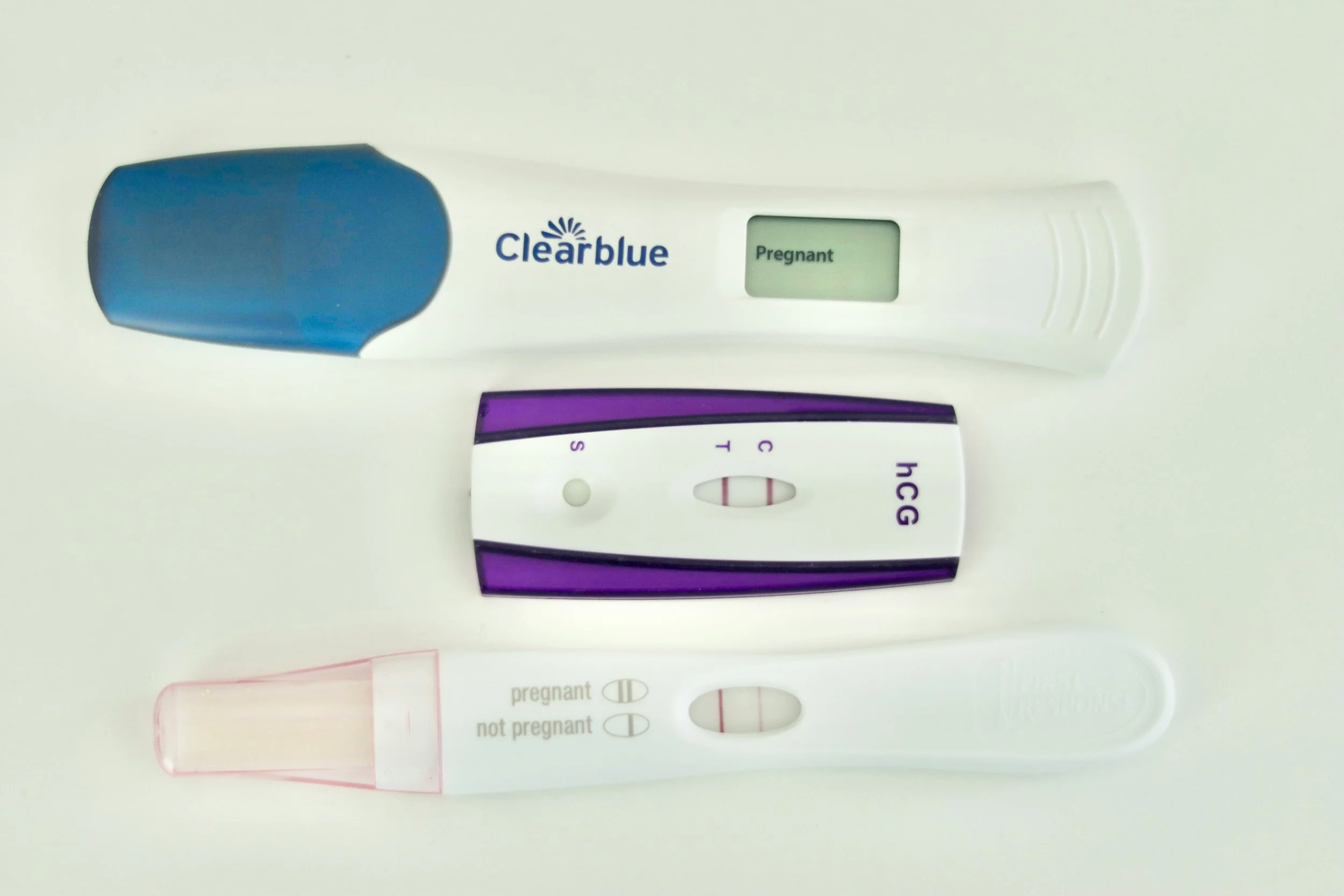
Between weeks 5 and 6, most women discover they are pregnant.
7 Weeks LMP
The heartbeat peaks at 170 to 190 beats per minute and gradually slows until birth.
Retinas and eyelids form.
The embryo may begin to make gentle movements, such as moving their hands and turning their head from side to side.
8 Weeks LMP
The nose takes shape.
Hands move frequently, and right- or left-hand dominance can be detected.
Ears develop, and the body starts to straighten.
The first hiccups start as the brain practices reflexes.
9 Weeks LMP
The fingers can now bend, and the jaw can open and close.
Around this time, the eyelids temporarily fuse to protect the developing eyes and remain closed until later in pregnancy.
The thyroid gland begins to develop and function, preparing to produce thyroid hormones by about 12 weeks.
10 Weeks LMP
The embryo is now called a fetus.
Elbows can bend, fingers and toes separate, and eyelids and outer ears continue developing.
11 Weeks LMP
The fetus can hiccup.
Genitals begin developing.
Tooth buds appear, and red blood cells start forming in the liver.
They can squint, frown, swallow, and make little facial expressions.
12 Weeks LMP
Fingernails form.
The face looks more defined in profile. The eyes, ears, nose, and upper lip are more prominent.
Intestines move into the abdomen.
The fetus can clench fists and curl toes.
13 Weeks LMP
The fetus now weighs about 2 ounces and measures just under 5 inches from head to toe.
Fine hair is beginning to develop on the head and face, including eyebrows and eyelashes.
All major organs are formed, and the circulatory system is functioning, growing stronger each day.
Fetal and embryological development occur rapidly. If you would like a more in-depth understanding of what happens during pregnancy and the developmental milestones, you can speak with your doctor or contact us.
[1] Fagard, J., Esseily, R., Jacquey, L., O’Regan, K., & Somogyi, E. (2018). Fetal origin of sensorimotor behavior. Frontiers in Neurorobotics, 12, Article 23.https://doi.org/10.3389/fnbot.2018.00023
[2] Mayo Clinic. (2025, March 18). Fetal development: The first trimester.https://www.mayoclinic.org/healthy-lifestyle/pregnancy-week-by-week/in-depth/prenatal-care/art-20045302
[3] Branum, A. M., & Ahrens, K. A. (2017). Trends in timing of pregnancy awareness among U.S. women. Maternal and Child Health Journal, 21(4), 715–726.https://doi.org/10.1007/s10995-016-2155-1
[4] University of New South Wales. (n.d.). Week 8 – Embryology.https://embryology.med.unsw.edu.au/embryology/index.php/Week_8
[5] Online Etymology Dictionary. (n.d.). Fetus – Etymology of “fetus.”https://www.etymonline.com/word/fetus